
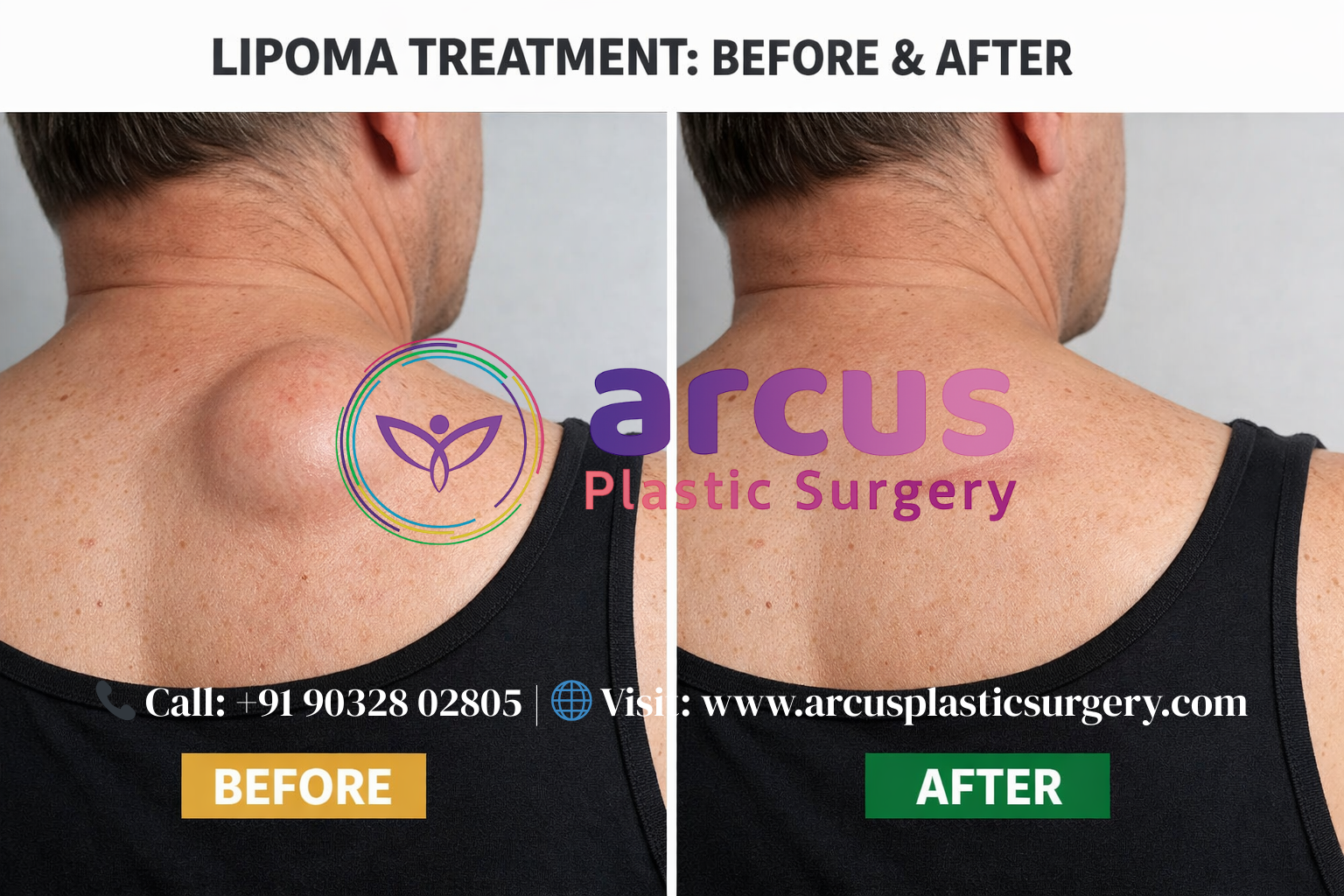
Top Clinic For Lipoma Treatment in HyderabadCall: 90328 02805Top Clinic For Lipoma Treatment in Hyderabad: Safe, Advanced & Scar-Minimal SolutionsTop Clinic For Lipoma Treatment in Hyderabad, Arcus Clinic has emerged as a trusted destination for patients seeking effective lipoma treatment with minimal scarring and maximum care. Whether you're dealing with a small, painless lipoma or a …
Top Clinic For Lipoma Treatment in Hyderabad
Call: 90328 02805
Top Clinic For Lipoma Treatment in Hyderabad: Safe, Advanced & Scar-Minimal Solutions
Top Clinic For Lipoma Treatment in Hyderabad, Arcus Clinic has emerged as a trusted destination for patients seeking effective lipoma treatment with minimal scarring and maximum care. Whether you’re dealing with a small, painless lipoma or a larger, uncomfortable growth, finding the Top Clinic For Lipoma Treatment in Hyderabad ensures you receive the expert care you deserve.
Best Surgeon for Lipoma Treatment in Hyderabad
Best Surgeon for Lipoma Treatment in Hyderabad, the specialists at Arcus Clinic are known for their expertise in diagnosing and removing lipomas with precision and care. With extensive experience in advanced surgical techniques, the surgeon focuses on complete removal while minimizing scarring and discomfort. Each case is evaluated individually to ensure the most suitable treatment approach, prioritizing patient safety, faster recovery, and natural-looking results. This commitment to quality care and personalized treatment has made Arcus Clinic a trusted choice for patients seeking reliable and effective lipoma treatment in Hyderabad.
What Is a Lipoma?
A lipoma is a benign (non-cancerous) growth of fat cells that forms a lump beneath the skin. Lipomas typically develop slowly over months or years and feel soft, doughy, and movable when pressed.
The exact cause of lipomas remains unclear, though several factors may contribute to their development:
- Genetics: Lipomas often run in families, suggesting a hereditary component
- Age: They most commonly appear in middle-aged adults between 40 and 60 years
- Medical conditions: Certain conditions like adiposis dolorosa or Gardner’s syndrome increase lipoma risk
- Minor injuries: Some theories suggest trauma to an area may trigger lipoma formation
Are lipomas dangerous? The simple answer is no. Lipomas are almost always benign and don’t transform into cancer. However, this doesn’t mean they should be completely ignored, especially if they cause discomfort, grow rapidly, or affect your quality of life.
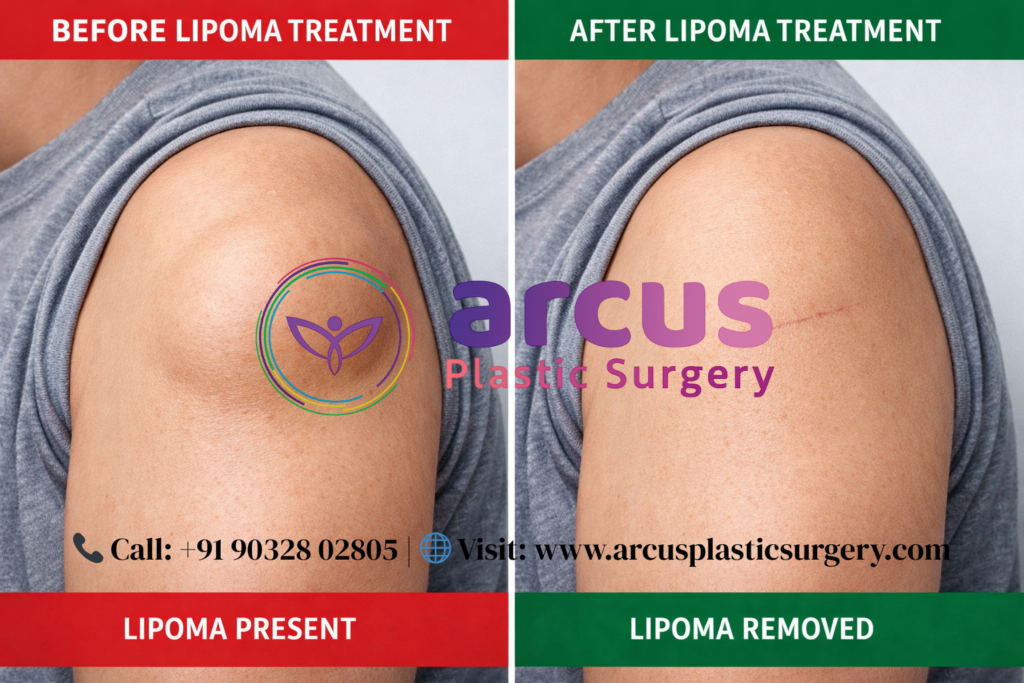
Common Signs and Symptoms of Lipoma
Recognizing a lipoma is usually straightforward once you know what to look for. These growths have distinctive characteristics that set them apart from other types of lumps:
Physical characteristics:
- Soft, doughy texture that moves easily under the skin when touched
- Generally small, typically 2-3 cm in diameter, though some can grow larger
- Rounded or oval shape with well-defined edges
- Usually appears just beneath the skin’s surface
- Most commonly found on the neck, shoulders, back, abdomen, arms, and thighs
Pain levels: Most lipomas are painless and cause no discomfort. However, some types, particularly angiolipomas, can be tender or painful, especially when pressed. Pain may also occur if the lipoma grows near nerves or contains many blood vessels.
When to seek medical attention: While lipomas are generally harmless, you should consult a doctor if you notice:
- A lump that’s growing rapidly
- A firm or immovable mass
- Changes in skin color over the lump
- Pain or tenderness that develops or worsens
- A lump that appears after an injury
- Any uncertainty about whether the growth is actually a lipoma
Why Lipoma Treatment Should Not Be Ignored
Although lipomas are benign, there are several compelling reasons why treatment might be necessary or beneficial:
Physical discomfort: When lipomas grow in certain locations or reach larger sizes, they can cause physical discomfort. A lipoma near a joint might restrict movement, while one pressing against nerves can cause pain or tingling sensations. Some patients experience discomfort when the lipoma is touched or when wearing certain clothing or accessories.
Cosmetic concerns: Visible lipomas, especially on the face, neck, or arms, can affect self-confidence and body image. Many patients seek removal purely for aesthetic reasons, wanting to restore the smooth appearance of their skin. This is a completely valid concern, as feeling comfortable in your own skin contributes significantly to overall wellbeing.
Risk of growth or complications: While lipomas grow slowly, they don’t disappear on their own. Left untreated, they may continue to increase in size, potentially making future removal more complex. Larger lipomas may also be more difficult to remove with minimal scarring. Additionally, though rare, there’s always a possibility of misdiagnosis, making professional evaluation important.
Different Types of Lipomas
Understanding the type of lipoma you have helps your surgeon plan the most effective treatment approach. The main types include:
Subcutaneous lipoma: The most common type, found just beneath the skin’s surface. These are typically soft, movable, and painless. They can appear anywhere on the body but are most frequently found on the trunk, neck, and extremities.
Angiolipoma: This type contains both fat cells and blood vessels, making them more likely to be painful or tender to touch. Angiolipomas are more common in younger adults and often appear on the forearms. They’re typically smaller than conventional lipomas.
Fibrolipoma: These lipomas contain both fatty and fibrous tissue, giving them a slightly firmer texture than standard lipomas. The fibrous component can make them feel less movable under the skin.
Multiple lipomas: Some people develop multiple lipomas across different body areas, a condition called familial multiple lipomatosis. This hereditary condition may require a comprehensive treatment approach to address several growths.
Other rarer types include spindle cell lipomas, pleomorphic lipomas, and hibernomas, each with unique characteristics that may influence treatment decisions.
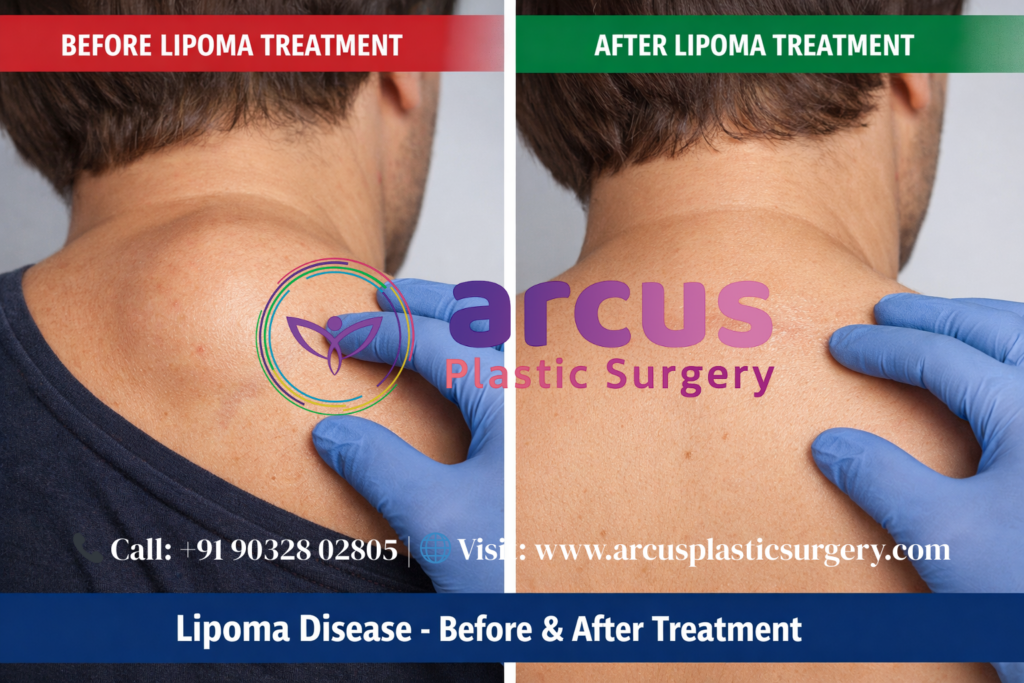
When Should You Consider Lipoma Removal?
Not every lipoma requires removal, but certain situations warrant considering treatment:
Increase in size: If your lipoma is noticeably growing, especially if the growth is rapid, it’s time to consult a surgeon. While growth doesn’t indicate cancer, larger lipomas can become more problematic and are more challenging to remove with minimal scarring.
Pain or discomfort: A lipoma that causes persistent pain, tenderness, or discomfort during daily activities should be evaluated for removal. Pain might indicate pressure on nerves or the presence of an angiolipoma.
Restricted movement: Lipomas located near joints or in areas that affect your range of motion can interfere with physical activities. If a lipoma limits your ability to exercise, work, or perform daily tasks comfortably, removal can restore normal function.
Cosmetic reasons: There’s no need to feel embarrassed about wanting a lipoma removed for appearance. If a visible lipoma affects your confidence or causes self-consciousness, removal is a perfectly valid option. Modern surgical techniques can remove lipomas with minimal scarring, addressing both the growth and aesthetic concerns.
Advanced Lipoma Treatment Options Available
Modern medicine offers several effective approaches to lipoma removal, each with specific advantages:
Surgical excision: Traditional surgical removal remains the gold standard for lipoma treatment. The surgeon makes an incision, removes the entire lipoma with its capsule, and closes the wound. This method offers the lowest recurrence rate because the entire growth is removed. Recovery is typically straightforward, with most patients returning to normal activities within days.
Minimally invasive lipoma removal: Newer techniques utilize smaller incisions and specialized instruments to remove lipomas with less tissue disruption. These approaches result in smaller scars and faster healing times. Techniques may include minimal excision extraction or endoscopic removal for appropriate cases.
Scar-minimizing techniques: Expert surgeons employ various strategies to minimize scarring, including:
- Placing incisions in natural skin creases when possible
- Using precise surgical techniques to minimize tissue trauma
- Employing fine suturing methods for better cosmetic closure
- Providing comprehensive post-operative care instructions to optimize healing
The choice of technique depends on factors like the lipoma’s size, location, depth, and your personal preferences. During consultation, your surgeon will recommend the most appropriate approach for your specific situation.
Why Arcus Clinic Is the Top Clinic For Lipoma Treatment in Hyderabad
Choosing where to have your lipoma removed is just as important as deciding to have it removed. Arcus Clinic stands out as the Top Clinic For Lipoma Treatment in Hyderabad for several compelling reasons:
Experienced surgical team: The clinic’s surgeons bring years of specialized experience in soft tissue surgery and lipoma removal. They’ve successfully treated hundreds of patients with various types of lipomas, from small, simple cases to complex, multiple lipomas. This extensive experience translates into better outcomes, fewer complications, and more refined aesthetic results.
Modern operation theatre: Arcus Clinic is equipped with advanced surgical facilities that meet the highest standards of safety and sterility. The modern operation theatre features state-of-the-art equipment for precise surgical procedures, ensuring optimal conditions for both routine and complex lipoma removals.
Personalized treatment approach: No two patients are exactly alike, and Arcus Clinic recognizes this. Each patient receives a customized treatment plan based on their specific lipoma characteristics, medical history, lifestyle factors, and personal goals. This individualized approach ensures you receive the most appropriate treatment for your unique situation.
High patient satisfaction: Patient testimonials and satisfaction scores reflect the clinic’s commitment to excellence. Patients consistently report positive experiences with the entire treatment process, from the initial consultation through post-operative follow-up. The combination of clinical expertise and compassionate care creates an environment where patients feel valued and confident.
Best Surgeon for Lipoma Treatment in Hyderabad
The skill and experience of your surgeon significantly impact your treatment outcome. Finding the Best Surgeon for Lipoma Treatment in Hyderabad ensures you receive the highest standard of care.
Surgeon expertise and experience: The surgeons at Arcus Clinic have undergone extensive training in plastic and reconstructive surgery, with particular expertise in soft tissue tumor removal. Their deep understanding of anatomy, combined with years of practical experience, enables them to handle even challenging cases with confidence and skill.
Precision techniques: Expert surgeons employ meticulous surgical techniques that preserve healthy tissue while completely removing the lipoma. This precision is crucial for achieving optimal cosmetic results and preventing recurrence. Every step, from the initial incision to final closure, is performed with attention to detail that reflects years of refined practice.
Focus on safety and cosmetic outcomes: The best surgeons balance two critical priorities: safety and aesthetics. While complete lipoma removal is the primary goal, how it’s accomplished matters tremendously. Skilled surgeons minimize scarring, preserve normal contours, and ensure wounds heal properly. They also take time to educate patients about realistic expectations and post-operative care for the best possible results.
Lipoma Removal Procedure at Arcus Clinic
Understanding what to expect during lipoma removal helps reduce anxiety and prepare you for a smooth experience.
Pre-treatment evaluation: Your journey begins with a comprehensive consultation where the surgeon examines the lipoma, reviews your medical history, and discusses your concerns and goals. In some cases, imaging studies like ultrasound or MRI may be recommended to assess the lipoma’s depth and relationship to surrounding structures. The surgeon will explain the recommended approach, discuss risks and benefits, and answer all your questions.
Step-by-step procedure:
- Preparation: The treatment area is thoroughly cleaned and sterilized
- Anesthesia: Local anesthesia is administered to numb the area (general anesthesia may be used for multiple or deeply located lipomas)
- Incision: A carefully planned incision is made, typically placed to minimize visible scarring
- Removal: The lipoma is carefully dissected and removed in its entirety, including its capsule
- Closure: The incision is closed in layers using fine sutures for optimal healing
- Dressing: A sterile dressing is applied to protect the wound
Most lipoma removal procedures take 30-60 minutes, though this varies based on the lipoma’s size and location.
Post-treatment care: Before you leave the clinic, you’ll receive detailed instructions for wound care, including how to keep the area clean, when to change dressings, and signs of potential complications to watch for. You’ll also schedule a follow-up appointment to monitor healing and remove sutures if non-dissolvable ones were used.
Recovery After Lipoma Surgery
Most patients experience straightforward recovery after lipoma removal, though individual experiences vary.
Healing timeline:
- Days 1-3: Mild to moderate discomfort, swelling, and bruising are normal. Keep the area clean and dry
- Week 1: Most surface healing occurs. Sutures may be removed if non-dissolvable
- Weeks 2-4: Swelling continues to decrease. You can gradually resume most activities
- Months 1-3: Incision continues to mature and fade. Final results become apparent
Pain management: Post-operative discomfort is typically mild and easily managed with over-the-counter pain relievers. Most patients describe the sensation as soreness rather than sharp pain. Your surgeon may prescribe pain medication if needed, particularly for larger lipomas or multiple removals.
When you can return to daily activities: Most patients return to work and normal daily activities within 2-3 days, especially for small lipomas in non-strenuous areas. However, you should avoid:
- Heavy lifting (over 10 pounds) for 2 weeks
- Strenuous exercise for 2-3 weeks
- Swimming or soaking the incision until fully healed (typically 2 weeks)
Your surgeon will provide personalized guidance based on your specific procedure and lifestyle needs.
Frequently Asked Questions
Is lipoma removal painful?
The procedure itself is not painful because it’s performed under anesthesia. Most patients experience only mild discomfort after surgery, similar to muscle soreness, which is easily managed with over-the-counter pain relievers. Any significant pain is unusual and should be reported to your surgeon.
How long does lipoma surgery take?
Most lipoma removal procedures take 30-60 minutes, depending on the size, location, and number of lipomas being removed. Small, superficial lipomas may take as little as 15-20 minutes, while larger or deeply located lipomas might require more time.
Will lipoma come back after removal?
If you’re prone to developing lipomas, new ones may form in different locations over time. This doesn’t represent recurrence of the treated lipoma but rather your body’s tendency to develop these benign growths.
Is lipoma treatment covered by insurance?
Insurance coverage depends on whether the lipoma is causing symptoms or functional problems. Many insurance plans cover removal when there’s pain, restricted movement, or rapid growth. Removal purely for cosmetic reasons typically isn’t covered. It’s best to check with your specific insurance provider for coverage details.
How much does lipoma treatment cost in Hyderabad?
The cost varies based on several factors including the lipoma’s size, location, number being removed, and complexity of the procedure. During your consultation at Arcus Clinic, you’ll receive a transparent cost estimate based on your specific situation. The clinic staff can also provide information about payment options and insurance claims if applicable.
Can lipomas be removed without surgery?
While liposuction or steroid injections are sometimes attempted, surgical excision remains the most effective treatment with the lowest recurrence rate. Non-surgical methods may not completely remove the lipoma or its capsule, leading to higher recurrence rates.
What’s the difference between a lipoma and a cyst?
Lipomas are soft, movable lumps made of fat cells, while cysts are sac-like structures that may contain fluid, pus, or other material. Cysts often have a central opening and may become inflamed or infected, whereas lipomas typically don’t. A physical examination by a qualified surgeon can differentiate between them.
Are there any lifestyle changes to prevent lipomas?
Since the exact cause of lipomas isn’t fully understood, there are no proven prevention methods. Maintaining a healthy weight, eating a balanced diet, and staying physically active support overall health but don’t specifically prevent lipoma formation, especially in those with genetic predisposition.
How soon can I see final results after lipoma removal?
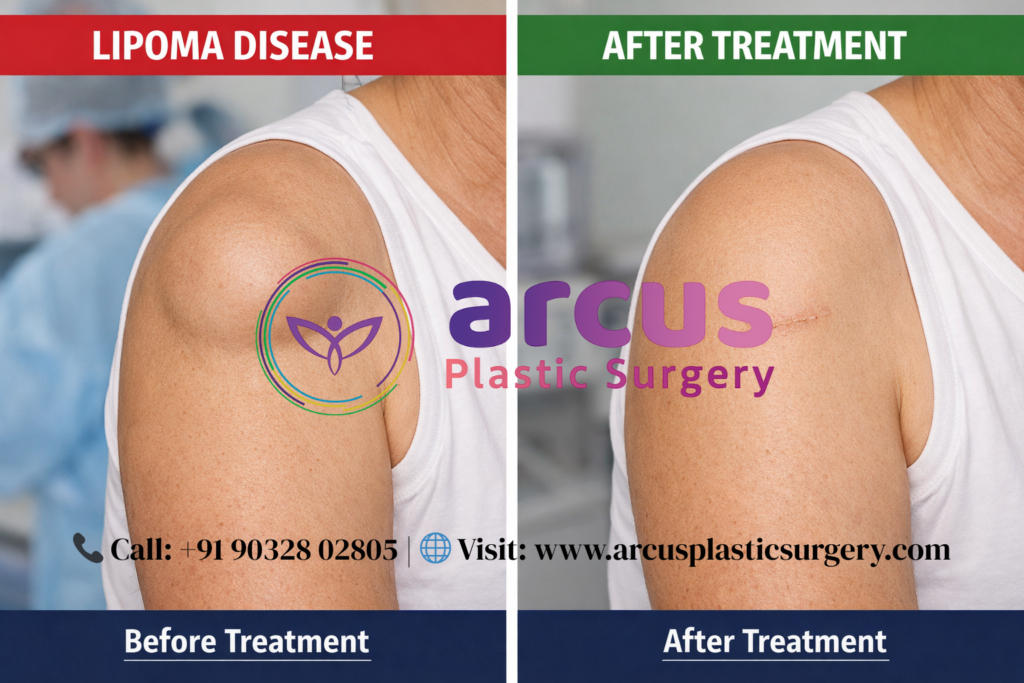
The lipoma is gone immediately after surgery, but you’ll see the full cosmetic result once healing is complete, typically 2-3 months. During this time, swelling subsides, incisions mature, and scars fade. Most patients are very satisfied with the appearance once healing is complete.
Should I be concerned if I have multiple lipomas?
Having multiple lipomas is not dangerous, though it may indicate a genetic predisposition. Each lipoma should be evaluated individually. If multiple lipomas are causing discomfort or concern, they can be removed during a single surgical session or staged procedures, depending on their locations and sizes.
Conclusion
Living with a lipoma doesn’t have to mean living with discomfort, self-consciousness, or uncertainty. Whether your lipoma is causing physical symptoms or simply affecting your confidence, expert treatment is available to address your concerns with minimal disruption to your life.
As the Top Clinic For Lipoma Treatment in Hyderabad, Arcus Clinic combines surgical excellence with compassionate, patient-centered care. From your first consultation through complete recovery, you’ll experience the difference that expertise and genuine care make in your treatment journey.
Choosing the Best Surgeon for Lipoma Treatment in Hyderabad at Arcus Clinic means choosing:
- Proven expertise in lipoma removal
- Advanced surgical techniques that minimize scarring
- Comprehensive care tailored to your needs
- A commitment to your safety, comfort, and satisfaction
Don’t let concerns about a lipoma continue to worry you or affect your quality of life. Take the first step toward resolution by consulting with experts who understand both the medical and personal aspects of lipoma treatment.