
Dr. Gautam Reddy Cosmetic Surgeon in HyderabadCall: 90328 02805Dr. Gautam Reddy, Cosmetic Surgeon in Hyderabad: What Sets a Genuinely Good One ApartIf you've been searching for Dr. Gautam Reddy Cosmetic Surgeon in Hyderabad, you've probably already noticed how crowded this space is. Every clinic claims expertise, every website has glowing testimonials, and somewhere in that …
Dr. Gautam Reddy Cosmetic Surgeon in Hyderabad
Call: 90328 02805
Dr. Gautam Reddy, Cosmetic Surgeon in Hyderabad: What Sets a Genuinely Good One Apart
If you’ve been searching for Dr. Gautam Reddy Cosmetic Surgeon in Hyderabad, you’ve probably already noticed how crowded this space is. Every clinic claims expertise, every website has glowing testimonials, and somewhere in that noise, you’re just trying to find someone genuinely skilled who won’t oversell you.
Dr. Gautam Reddy Cosmetic Surgery Clinic in Hyderabad
Once you’ve narrowed things down, the next logical step is looking into Dr. Gautam Reddy, cosmetic surgery clinic in Hyderabad, and understanding exactly what the clinic itself offers beyond the surgeon’s name on the door. Let’s cut through the marketing and get into what actually matters.
Cosmetic Surgery Isn’t One Thing. It’s a Whole Category
People use “cosmetic surgery” as a catch-all, but it covers procedures that demand very different skills, judgment, and technique:
- Face aesthetic procedures: rejuvenation, contouring, and reshaping
- Liposuction: precise, targeted fat removal
- Body contouring: reshaping and tightening after major weight change
- Gynecomastia correction: addressing enlarged male breast tissue
- Hair transplant: restoring density and natural growth patterns
- Genital rejuvenation and surgery: handled with particular discretion and precision
Each of these has its own anatomy, its own healing behavior, and its own way of going wrong. Facial work is about millimeters and expression. Liposuction is about even contours and skin response. Hair restoration is about design, angle, and long-term planning around a hairline that will keep changing with age. A surgeon confident across this range typically has deeper, more versatile training than one who sticks to a narrow lane. That doesn’t mean narrow specialists are unskilled, but breadth tested over many cases usually reflects a solid foundation in surgical principles that carry from one area to another.
What Separates a Skilled Cosmetic Surgeon From an Average One
Technical precision under pressure. Cosmetic outcomes are judged on details: symmetry, proportion, and subtlety. A few millimeters in the wrong direction can be the difference between a result that looks natural and one that draws attention. Unlike many areas of surgery, where the goal is simply to fix a problem, cosmetic surgery is judged by the patient’s eye and the eyes of everyone around them. There is very little room for approximation.
Restraint. The best cosmetic results are often the ones people can’t quite pinpoint. Friends say you look rested, healthy, or somehow better, but they can’t say why. Overcorrection is a far more common mistake than undercorrection, and knowing where to stop is a skill in itself. A surgeon who can say “this is enough” is often more valuable than one who can always do more.
Honest expectation-setting. A surgeon who tells you what won’t work is more trustworthy than one who promises everything will. Bodies have limits. Skin quality, bone structure, age, genetics, and healing patterns all shape what’s realistic. If every question you ask is answered with “yes, absolutely,” that should give you pause.
Consistency across cases. One great result can be luck. Consistent, natural-looking outcomes across many patients with different anatomies and different goals reflect real skill. This is why looking at a range of real cases, not one highlight photo, tells you far more than any testimonial.
Sound judgment about who shouldn’t have surgery. A good surgeon sometimes talks patients out of a procedure, or suggests waiting, or recommends a smaller intervention. That willingness to turn work away, or to scale it back, is one of the clearest signs that the surgeon is putting the patient’s outcome ahead of the schedule.
What a Real Consultation Looks Like
Skip the theatrics. Here’s what should happen in a solid first consultation:
- A direct conversation about what you want to change and why. A good surgeon listens first. Understanding your motivation, and what you picture as the end result, shapes everything that follows.
- An honest assessment of what’s realistically achievable for your anatomy. This is where you hear what surgery can and can’t do for you specifically, not in general.
- A clear breakdown of the procedure, risks included, not glossed over. Every surgery carries risks. You should hear about them plainly, along with how they are minimized and managed.
- A discussion of recovery timelines and what daily life will look like during it. Work, travel, exercise, family commitments: it should all be addressed in practical terms.
- Time to ask hard questions and get straight answers. You shouldn’t feel rushed, and no question should be treated as foolish.
If you leave a consultation with more confidence and clarity, not more confusion, that’s usually a good sign. If you feel pressured to book quickly, offered discounts that expire “today,” or steered toward add-on procedures you didn’t ask about, take a step back. A consultation is meant to inform your decision, not to close a sale.
The Procedures Worth Understanding Before You Choose
Face Aesthetic Work
Subtlety is everything here. The face is how people recognize you, read your mood, and remember you, so even small changes register. The goal isn’t a dramatically different face. It’s a refreshed, natural version of the one you already have.
Good facial work respects your existing features and expressions. It considers how your face moves, not only how it looks in a still photograph, and it accounts for how tissues will age over the coming years. Ask any surgeon how they plan for both the immediate result and the long-term one. A result that looks good at three months but ages awkwardly is not a good result.
Liposuction and Body Contouring
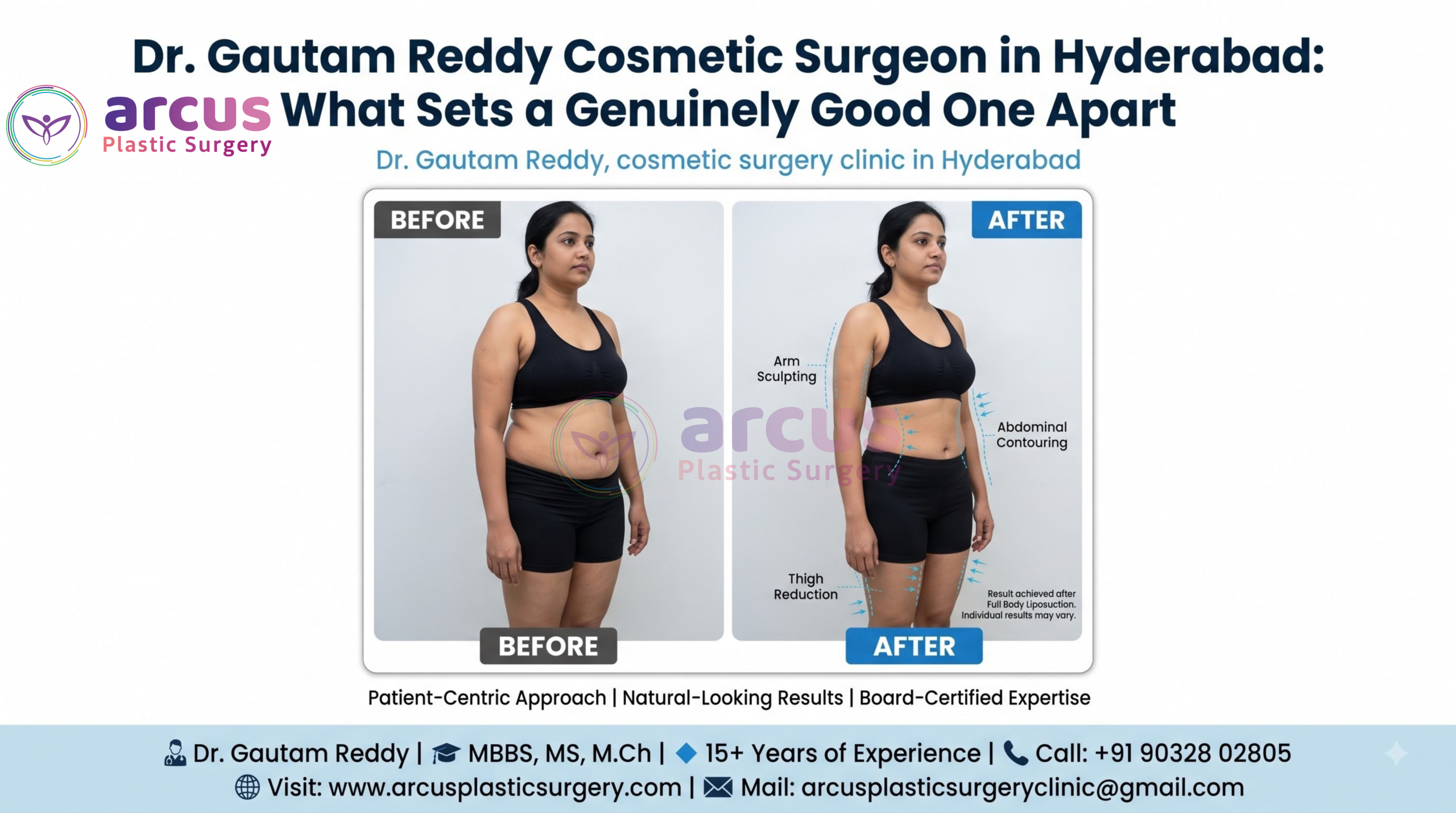
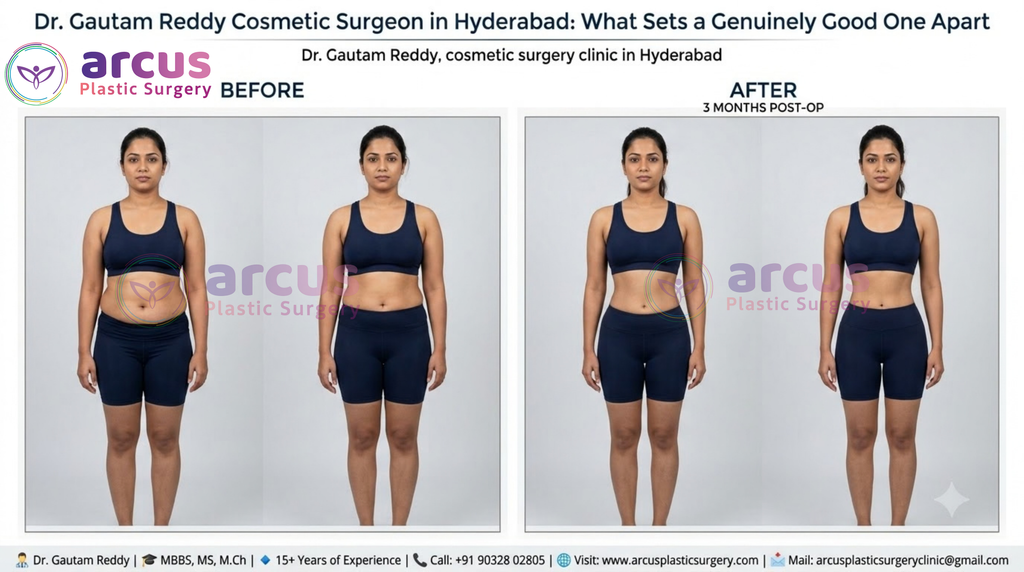
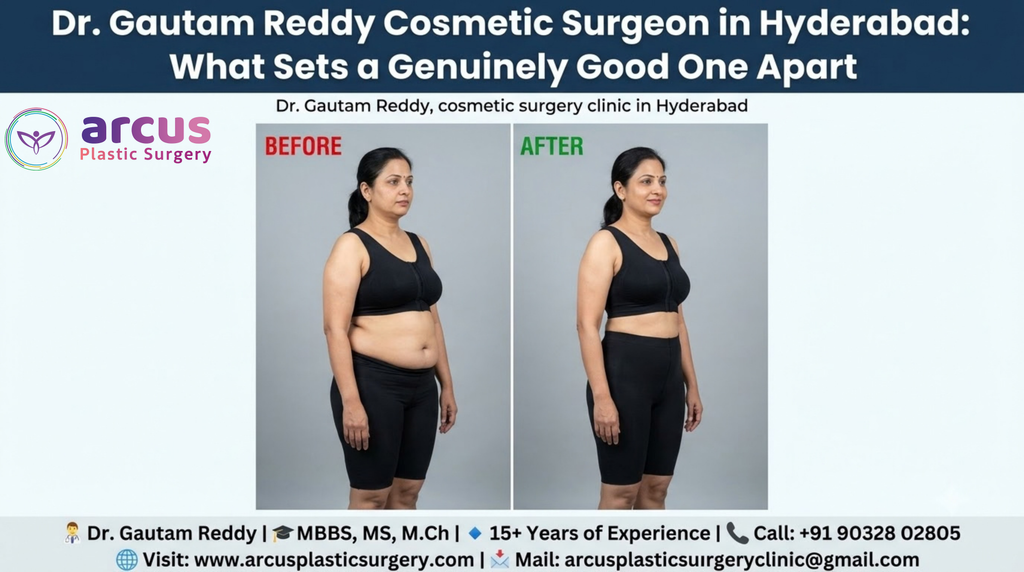
These procedures often work together. Liposuction removes stubborn fat, the pockets that persist despite diet and exercise. Body contouring addresses the skin and tissue left behind, especially after significant weight loss, when skin may no longer retract on its own.
The link between the two is skin elasticity. If skin has good tone, it usually redrapes smoothly after fat is removed. If it’s lax, removing fat alone can leave looseness or irregularity, and a combined or different approach may be more appropriate. A good surgeon evaluates skin quality before recommending either, and explains that liposuction is a body-shaping tool, not a weight-loss method. The best candidates are generally at a stable, healthy weight and want to refine specific areas.
Gynecomastia Correction
Gynecomastia, the enlargement of male breast tissue, is a genuinely common concern that men rarely discuss openly. It can affect confidence in everyday situations: swimming, the gym, even wearing a fitted shirt. Many men live with it quietly for years before seeking help.
Depending on whether the enlargement is mainly glandular tissue, fat, or both, the surgical approach differs. Good technique focuses on a natural, masculine chest contour and minimal, well-hidden scarring. A thorough consultation should include a discussion of possible underlying causes and whether anything beyond surgery needs attention first.
Hair Transplant
Modern techniques produce far more natural results than older methods, with fine, carefully angled grafts that blend into your existing hair. But outcomes depend heavily on your existing hair pattern, the density of your donor area, and how your hair loss is likely to progress.
That last point matters more than most people realize. Hair loss is often ongoing, so a hairline designed only for today can look unnatural years later. A good surgeon plans for the long term, sets honest expectations rather than overpromising density, and explains that results develop gradually over months, not days. Patients should also expect some temporary shedding of transplanted hair before new growth begins, a normal phase that catches many people off guard when they haven’t been told about it.
Genital Rejuvenation and Surgery
These procedures call for a particular level of discretion, sensitivity, and technical care. Patients often feel hesitant even to raise the subject, which is why a private, judgment-free consultation matters so much. Clear communication about the purpose of the procedure, realistic outcomes, and recovery is essential, as is a surgeon who treats these concerns with the same seriousness as any other.
What the Clinic Itself Should Offer, Beyond the Surgeon
A skilled surgeon still needs the right environment to deliver consistent results. When evaluating a clinic, look for:
- Modern, well-maintained surgical facilities. Equipment and operating spaces should be clean, current, and appropriate for the procedures performed.
- Proper sterilization and safety protocols. Infection control and patient safety measures are non-negotiable. Don’t hesitate to ask how they’re managed.
- Transparent, upfront pricing with no vague surprises later. You should know what’s included, what isn’t, and whether follow-up visits or garments carry additional costs.
- Structured follow-up care built into your treatment plan, not an afterthought. Healing needs monitoring, and having a clear path back to your surgeon if something feels off is part of good care.
- A qualified, supportive team. From the front desk to nursing and anesthesia support, the people around the surgeon shape your experience and safety.
It’s also reasonable to ask who will be present for your surgery and who will handle your follow-up appointments. Continuity of care, seeing the same team throughout, tends to make for a smoother experience.
Recovery: The Part Most People Underestimate
Every procedure has its own timeline, but a few things hold true across most cosmetic surgeries:
- Initial swelling and soreness in the first few days. This is normal, and your surgeon should explain how to manage it and what to watch for.
- A gradual return to light activity within a week to two. Many people go back to desk work or light routines fairly soon, though heavy exercise and strenuous activity typically wait longer.
- Full results often taking several weeks to settle and become visible. Swelling can mask the final outcome for some time, and patience is part of the process.
- Scheduled follow-ups to track healing and address concerns early. These visits are how small issues are caught before they become large ones.
A few practical points help. Arrange time off and help at home in advance, follow post-operative instructions closely (including any compression garments, medication schedules, and activity restrictions), and avoid comparing your progress to others’. Healing varies with age, health, the procedure, and even how well you rest.
Skipping this conversation upfront is one of the most common reasons patients feel unprepared, even when the procedure itself goes well. A surgery can be technically excellent and still feel stressful if you didn’t know what the first two weeks would be like.
Questions Worth Asking Before You Decide
Beyond the consultation basics, consider bringing these to your appointment:
- How often do you perform this specific procedure?
- What are the most common complications, and how are they handled?
- What would a revision look like, if one were ever needed, and how is that addressed?
- Who manages my care if I have a concern outside clinic hours?
- What does the total cost include?
The answers matter, but so does the manner in which they’re given. Directness, patience, and a willingness to explain without defensiveness are good indicators of how the whole experience will go.
The Arcus Approach
At Arcus Plastic Surgery, Kukatpally, Hyderabad, opposite Ankura Hospital on the JNTU–HiTech City Main Road, Dr. Gautam Reddy’s practice reflects exactly this philosophy: technical precision paired with honest, unhurried consultations. The clinic’s range, spanning face aesthetics, liposuction, body contouring, gynecomastia, and hair restoration, reflects broad surgical training rather than a narrow specialty stretched thin.
For anyone comparing options, that combination of range, restraint, and straightforward communication is what defines a cosmetic surgery clinic worth choosing. The location is also convenient for many across Hyderabad, particularly those living or working in Kukatpally, HiTech City, and the surrounding areas, which makes consultations and follow-up visits easier to fit into daily life.
The Real Takeaway
Cosmetic surgery isn’t about chasing perfection. It’s about working with a surgeon who understands your goals, tells you the truth about what’s achievable, and delivers consistent, natural results. It’s a decision that deserves research, patience, and honest conversation, and it should never be rushed by marketing or pressure.
If you’re ready to move past the research phase, a direct conversation is the best next step.
Frequently Asked Questions
1. How do I know if a cosmetic surgeon is genuinely skilled?
Ask about their experience with your specific procedure, request to see real case examples, and pay attention to how honestly they discuss limitations. A skilled surgeon is comfortable talking about what can go wrong as well as what can go right.
2. Is a more expensive clinic automatically better?
Not necessarily. Price reflects many factors, including location, facilities, and overhead. What matters more is documented experience, safety standards, and consistent, natural-looking results.
3. How long do cosmetic surgery results take to fully show?
This varies by procedure, but most results become clearer over several weeks as swelling subsides. Some, such as hair transplants, develop over several months.
4. Can one clinic really handle such a wide range of procedures well?
Yes, when the surgeon has genuinely broad, tested training. It’s worth asking directly about their specific experience in each area you’re considering.
5. What should I ask during my first consultation?
Ask about risks, realistic outcomes for your anatomy, recovery timeline, total cost, and how many follow-ups are included in your care.
6. Is a consultation a commitment to surgery?
No. It’s simply a conversation to understand your options. You’re never obligated to proceed afterward, and taking time to think it over is entirely reasonable.
7. How should I prepare for my first visit?
Bring a list of your concerns and questions, details of your medical history and any medications you take, and, if helpful, photos that show the kind of result you have in mind. Being open about your health and expectations helps the surgeon give you accurate advice.