
Gynecomastia Surgery Near Me HyderabadCall: 90328 02805Gynecomastia Surgery Near Me Hyderabad: How to Find the Right SpecialistSearching online Gynecomastia Surgery Near Me Hyderabad can produce many clinics, hospitals, and surgical options. For someone who feels uncomfortable about chest enlargement, it can be difficult to know which information is reliable and which provider is appropriate. Some …
Gynecomastia Surgery Near Me Hyderabad
Call: 90328 02805
Gynecomastia Surgery Near Me Hyderabad: How to Find the Right Specialist
Searching online Gynecomastia Surgery Near Me Hyderabad can produce many clinics, hospitals, and surgical options. For someone who feels uncomfortable about chest enlargement, it can be difficult to know which information is reliable and which provider is appropriate. Some people have spent years trying different workouts or diets, while others have only recently noticed changes around the nipple area. Before choosing a procedure, it is worth understanding what causes male breast enlargement and what a qualified surgeon should assess.
Gynecomastia Specialist Doctor Hyderabad
If you are searching for Gynecomastia Specialist Doctor Hyderabad, location is only one part of the decision. The more important questions concern the cause of the enlargement, the surgeon’s qualifications, the proposed treatment, surgical safety, and follow-up care. Arcus Plastic Surgery, located in Kukatpally, Hyderabad, offers plastic surgery services under Dr. Gautam Reddy, including gynecomastia treatment. A consultation can help determine whether surgery is appropriate and what results may realistically be expected.
Why do men develop chest enlargement?
Male chest enlargement is not always caused by the same type of tissue. True gynecomastia involves growth of glandular breast tissue, whereas pseudogynecomastia refers to increased fatty tissue in the chest without significant glandular enlargement. Some patients have both.
Glandular tissue may feel firmer beneath the nipple. Fatty tissue is usually softer and more broadly distributed. However, these characteristics are not a reliable substitute for a clinical examination. In some cases, the appearance of the chest alone cannot establish the cause.
Hormonal changes during puberty are a common reason for temporary gynecomastia. Adult men may develop the condition because of ageing, certain medications, anabolic steroids, or underlying medical conditions. Chest fat can also become more noticeable with weight gain.
Understanding the cause is important because the treatment for glandular tissue may differ from the treatment for fat. A person who assumes that all chest enlargement is fat may spend months trying to change it through exercise without addressing the actual issue.
When should you consult a specialist?
A medical consultation is worth considering when chest enlargement persists, causes discomfort, or affects clothing choices, physical activity, or confidence. Some men notice tenderness or a firm area beneath the nipple. Others are mainly concerned about the shape of their chest.
New or rapidly developing enlargement deserves medical attention, particularly when it affects only one side. A hard or fixed lump, nipple discharge, skin changes, nipple retraction, or an armpit lump should be assessed promptly. These signs do not necessarily indicate a serious illness, but they should not be assumed to be ordinary gynecomastia.
Teenagers and their parents should remember that puberty-related breast enlargement often improves over time. An assessment can provide reassurance, identify unusual causes, and help determine whether observation is appropriate.
What should a gynecomastia specialist assess?
A gynecomastia specialist doctor Hyderabad patients consult should evaluate the full clinical picture rather than recommend an operation based only on photographs or a brief online description.
The assessment may cover:
- How long the chest enlargement has been present.
- Whether one or both sides are affected.
- Whether there is pain, tenderness, or nipple discharge.
- Recent weight changes and exercise habits.
- Prescription medicines, supplements, and hormone-related products.
- Previous medical conditions and relevant family history.
- The amount of glandular tissue, fat, and excess skin.
- The patient’s expectations and general health.
If the findings suggest an underlying hormonal or medical problem, the clinician may recommend blood tests or imaging. The need for these investigations depends on the patient’s symptoms, history, and physical examination.
Patients should provide an accurate medication and supplement history. Certain medicines can contribute to breast tissue enlargement, but they should never be stopped without guidance from the prescribing clinician.
How is the right treatment selected?
There is no single operation that suits everyone. The treatment plan depends on the tissue involved, the degree of enlargement, skin elasticity, medical findings, and the patient’s goals.
Observation
For temporary or pubertal gynecomastia, observation may be recommended if there are no concerning features. The clinician can explain what changes to monitor and when to return for reassessment.
Management of an underlying cause
If a medicine or health condition contributes to the enlargement, addressing that issue may be the priority. Improvement is not guaranteed, especially when glandular tissue has been present for a long time, but the cause should still be considered.
Liposuction
Liposuction removes excess fatty tissue through small incisions. It may be suitable when chest fullness is mainly fat-related. It does not reliably remove firm glandular tissue on its own.
Gland excision
Surgical excision removes glandular tissue through an incision, often placed near the edge of the areola. The exact approach depends on the anatomy and amount of tissue involved.
Combined surgery
When both fat and glandular tissue contribute to chest enlargement, a combination of liposuction and gland excision may be recommended. In cases with substantial loose skin, skin removal may also be considered.
The surgeon should explain why a particular technique is proposed, what it can achieve, and what limitations remain.
How to compare clinics and hospitals in Hyderabad
A convenient location is useful, especially when follow-up appointments are required. However, choosing a provider should involve more than distance or advertised pricing.
Consider these practical points:
1. Verify the surgeon’s qualifications. Check recognised specialist training, medical registration, and experience relevant to the proposed procedure.
2. Understand where surgery will take place. Ask about the operating facility, anaesthesia arrangements, monitoring, and emergency support.
3. Request a clear explanation of the procedure. You should understand whether the plan involves liposuction, gland excision, skin removal, or a combination.
4. Ask about possible complications. A responsible consultation should cover bleeding, infection, fluid collection, scarring, asymmetry, changes in sensation, and possible revision surgery.
5. Understand the aftercare plan. Find out who will answer questions after surgery, how often follow-up visits are required, and what to do if symptoms change.
6. Clarify the full cost. Ask whether the quoted amount includes the surgeon, anaesthesia, facility charges, investigations, compression garments if needed, medication, and follow-up care. Costs vary by case and facility.
7. Avoid guaranteed results. No surgeon can guarantee perfect symmetry, invisible scars, or a complication-free outcome.
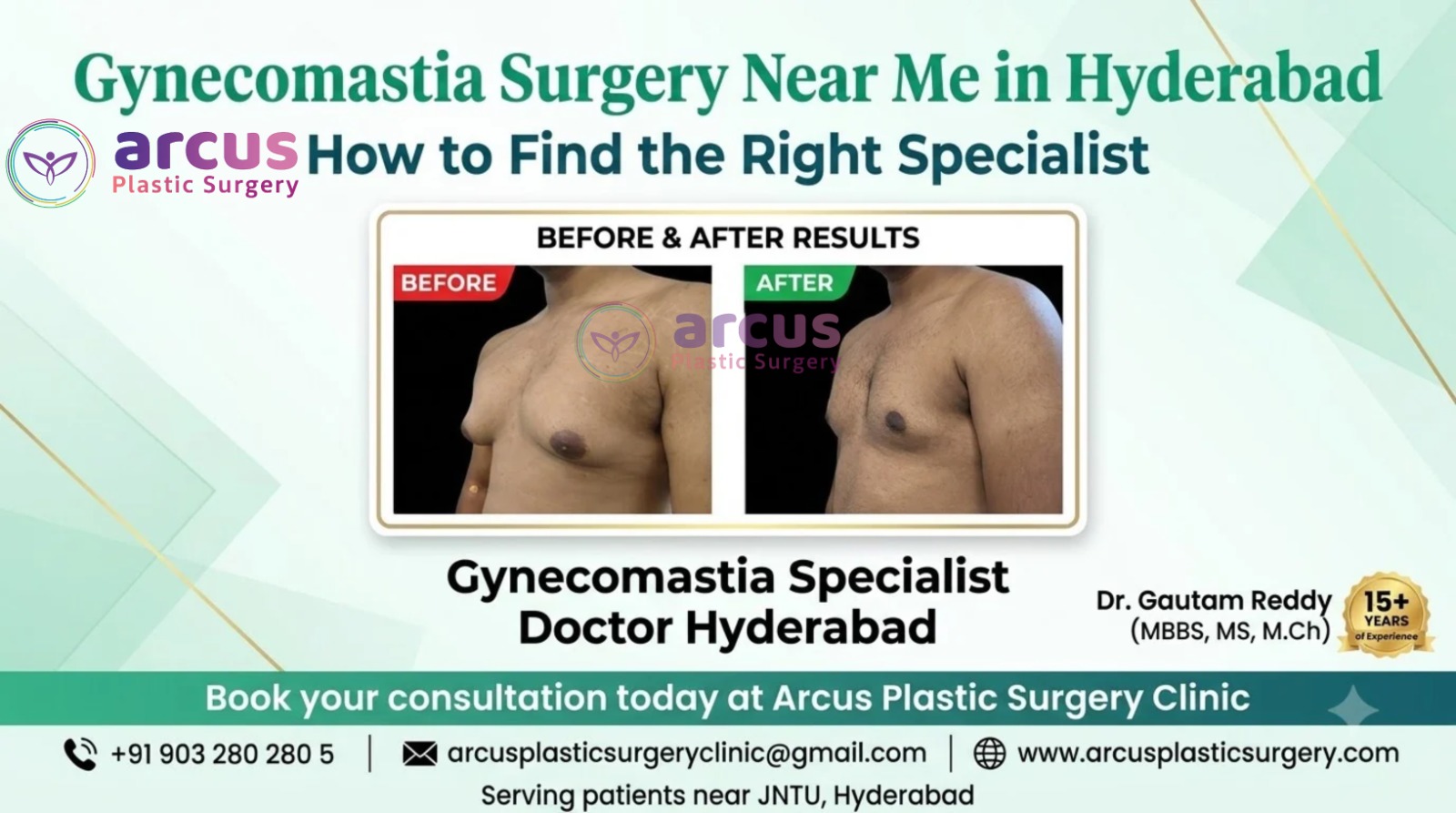
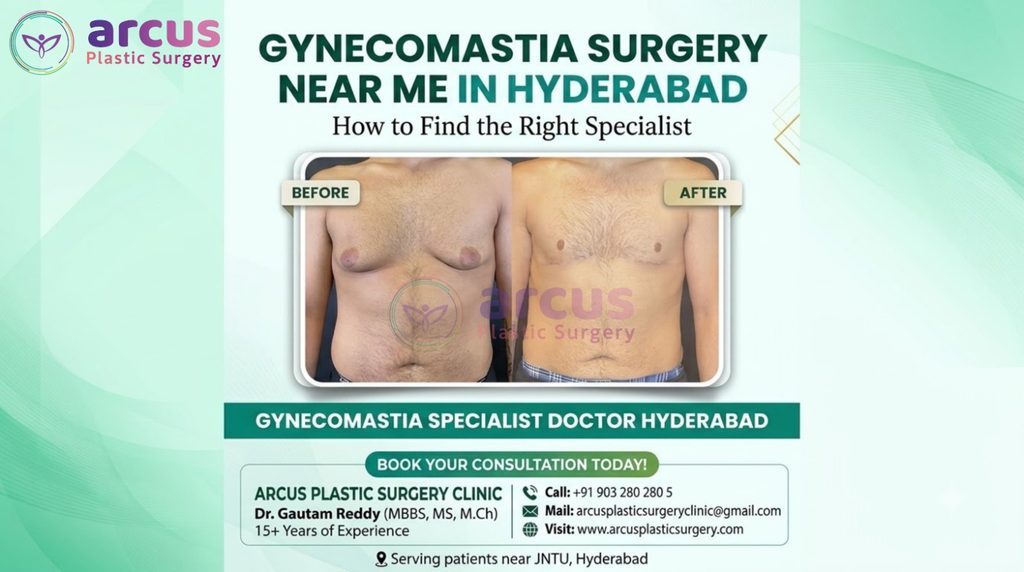
Before-and-after photographs can be useful when they are genuine, shared with appropriate consent, and discussed in context. Different patients have different anatomy and healing responses, so one person’s result cannot predict another person’s outcome.
What happens before surgery?
Once surgery is considered appropriate, the surgeon reviews the patient’s medical history, examines the chest, and discusses the procedure and its risks. Pre-operative testing depends on the patient’s health and the planned operation.
The surgical team may provide instructions about smoking, alcohol, medicines, fasting, and arranging transport or support after the procedure. Patients should follow their own team’s instructions rather than relying on a general checklist from the internet.
Smoking can interfere with wound healing. Patients should discuss smoking or nicotine use openly with their surgeon and follow advice about stopping before and after surgery.
It is also important to discuss expectations. Surgery may improve chest contour, but it cannot guarantee an exact shape or identical sides. Patients should understand the likely scar location and the possibility of residual skin looseness or contour irregularity.
What is recovery like?
Recovery varies according to the amount of tissue removed, the technique used, and the patient’s general health. Swelling, bruising, tenderness, and temporary numbness may occur after surgery.
Some people return to desk-based work within a relatively short period, while others need more time. Heavy lifting, strenuous exercise, and chest workouts are generally restricted during early healing. The exact schedule should be set by the operating surgeon.
A compression garment may be recommended to support the chest and help manage swelling. Patients should wear it as directed and should not substitute a different garment without checking.
The final appearance develops gradually. Early swelling can make the chest look uneven, so the result should not be judged too quickly. Follow-up appointments allow the surgeon to monitor healing and address concerns.
Increasing redness, worsening pain, fever, unusual discharge, or rapidly increasing swelling should be reported promptly. Emergency symptoms such as chest pain or difficulty breathing require urgent medical care.
Emotional wellbeing and patient confidence
Chest enlargement can affect people in ways that are not always visible. Some men avoid swimming, fitted clothing, changing rooms, or activities where their chest may be noticed. Others feel frustrated when their chest shape does not change despite regular exercise.
These concerns deserve a respectful response. Patients should not feel that they need to justify their discomfort or rush into surgery. A good consultation allows time to discuss goals, ask questions, and consider alternatives.
Surgery may improve body contour and confidence for some patients, but it is not a guarantee of emotional wellbeing or a solution to every concern about appearance. Realistic expectations and a clear understanding of the procedure are important parts of the decision.
Frequently asked questions
1. How do I know whether I need gynecomastia surgery?
An examination is needed to determine whether the enlargement involves glandular tissue, fat, loose skin, or another condition. Surgery may be considered when the problem persists and the patient is medically suitable.
2. Can chest exercises remove glandular tissue?
Exercise can strengthen the pectoral muscles and help reduce overall body fat, but it does not reliably remove established glandular breast tissue.
3. Is gynecomastia surgery always performed under general anaesthesia?
No. Anaesthesia choices depend on the procedure, the patient’s health, and the surgical team’s assessment. The surgeon should explain the proposed option.
4. Will I have scars?
Yes, incisions can leave scars. Surgeons generally aim to place them discreetly, but scar visibility varies with the technique and individual healing.
5. How soon can I return to the gym?
This depends on the operation and healing progress. Heavy lifting and chest exercises should resume only when the operating surgeon confirms it is safe.
6. Is the procedure suitable for everyone?
No. The cause of enlargement, age, medical conditions, medications, skin quality, and expectations all affect suitability. Some patients need medical evaluation or treatment before surgery is considered.
7. What should I bring to my first consultation?
Bring details of current medicines and supplements, relevant medical reports, information about previous treatments, and a list of questions or concerns you want to discuss.
Conclusion
Finding a suitable gynecomastia provider involves more than choosing the nearest clinic. Patients should look for appropriate surgical qualifications, a thorough assessment, transparent explanations, realistic expectations, and reliable aftercare. Knowing the difference between fat and glandular tissue can also help prevent confusion about treatment choices.
Patients in Kukatpally and elsewhere in Hyderabad can contact Arcus Plastic Surgery to discuss their concerns with Dr. Gautam Reddy. An individual consultation is the appropriate place to understand the possible causes of chest enlargement, determine whether further investigation is needed, and review treatment options.
.